mobile background

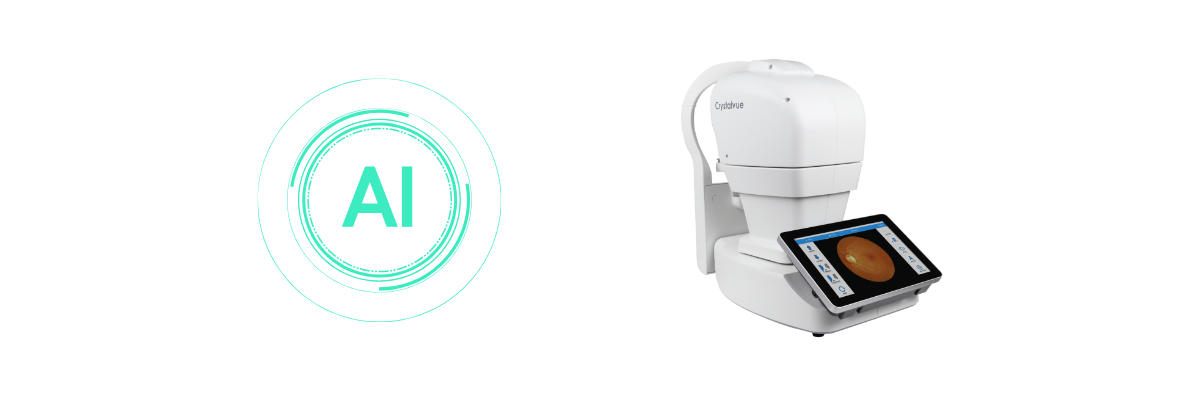
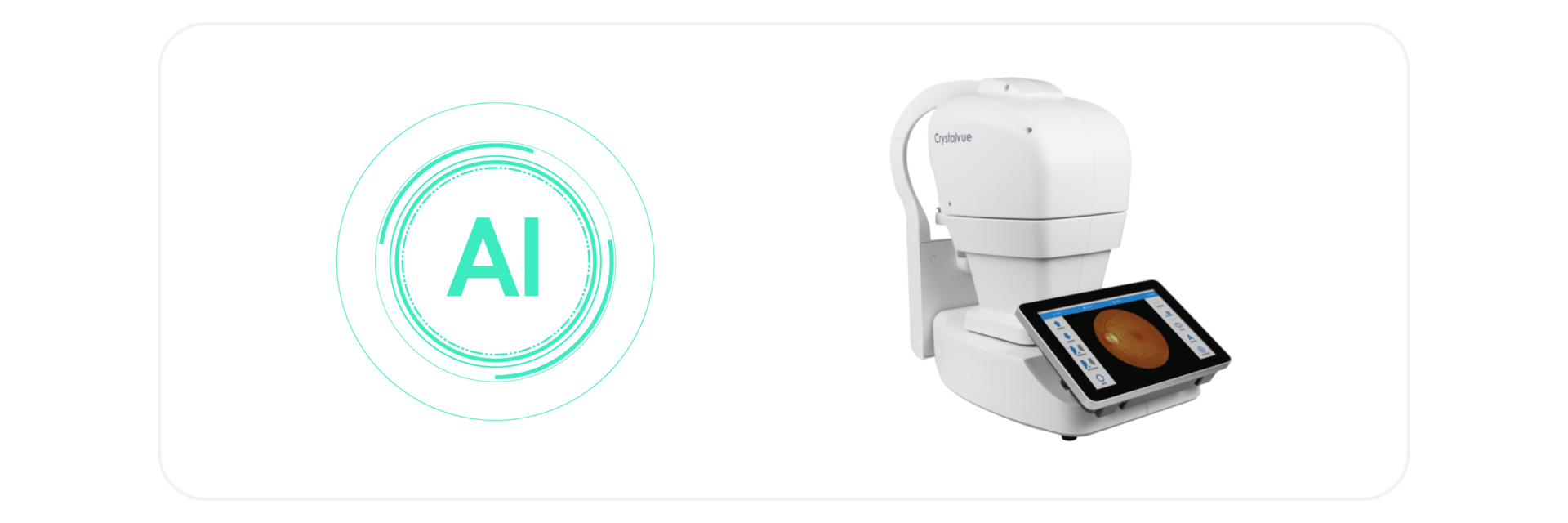
Just seconds after imaging, DOCTOR EYE AI detects critical diseases.

  • Real-Time Automated Analysis
    Delivers results within seconds after fundus imaging to minimize patient wait times.
  • Flexible Device Compatibility
    Integrates directly with DICOM standards and various fundus camera brands.
  • Automated Image Quality Control
    Automatically evaluates image clarity to prevent diagnostic errors beforehand.

Key Detected Conditions 

  • Diabetic Retinopathy
    Detects early signs such as microaneurysms, retinal hemorrhages, and hard exudates.
  • Age-Related Macular Degeneration
    Accurately identifies macular drusen accumulation and structural abnormalities.
  • Glaucoma
    Measures the Cup-to-Disc (C/D) ratio and analyzes retinal nerve fiber layer defects.
  • Epiretinal Membrane
    Detects fibrous membrane formation on the macular surface and retinal distortion.

Key Benefits

  • Diagnostic Assistance
    Enhances reading accuracy through analysis powered by ophthalmologist-validated data.
  • Streamlined Screening
    Strengthens early disease detection and referral pathways across healthcare institutions.
  • Automated Report Generation
    Provides clear patient consultations with visual reports highlighting lesion risk levels.
  • Reduced Waiting Time
    Improves patient throughput by delivering rapid diagnostic analysis.
mobile background

ON DEVICE  l  DOCTOR EYE

DOCTOR EYE AI: Detecting Major Conditions Seconds After Imaging

  • Instant Automated Analysis: Delivers results within seconds of fundus photography, minimizing patient wait times.
  • Flexible Device Compatibility: Seamlessly integrates with DICOM standards and various fundus camera brands.
  • Automated Image Quality Validation: Automatically assesses image clarity to prevent diagnostic errors beforehand.
DOCTOR EYE X-EYE is an AI software solution designed to integrate directly with fundus cameras. By analyzing fundus images in seconds, the system detects major condition presence—such as diabetic retinopathy, macular degeneration, glaucoma, and epiretinal membrane—to empower healthcare professionals in clinical decision-making.